Are you fascinated by the world of websites? Do you want to dive into the exciting realm of WordPress development? If so, you're not alone. As we approach 2026, demand for skilled WordPress developers is on the rise. Businesses and individuals alike are looking for talent that can create stunning, functional websites.
But where do you start? The journey may seem daunting at first glance. Fortunately, learning how to become a WordPress developer doesn't have to be overwhelming. With the right guidance and resources, anyone can master this skill set. Whether you're a complete beginner or someone with some coding experience, this comprehensive guide will take you step-by-step through everything you need to know.
Ready to embark on your path toward becoming a WordPress developer in 2026? Let's jump right in!
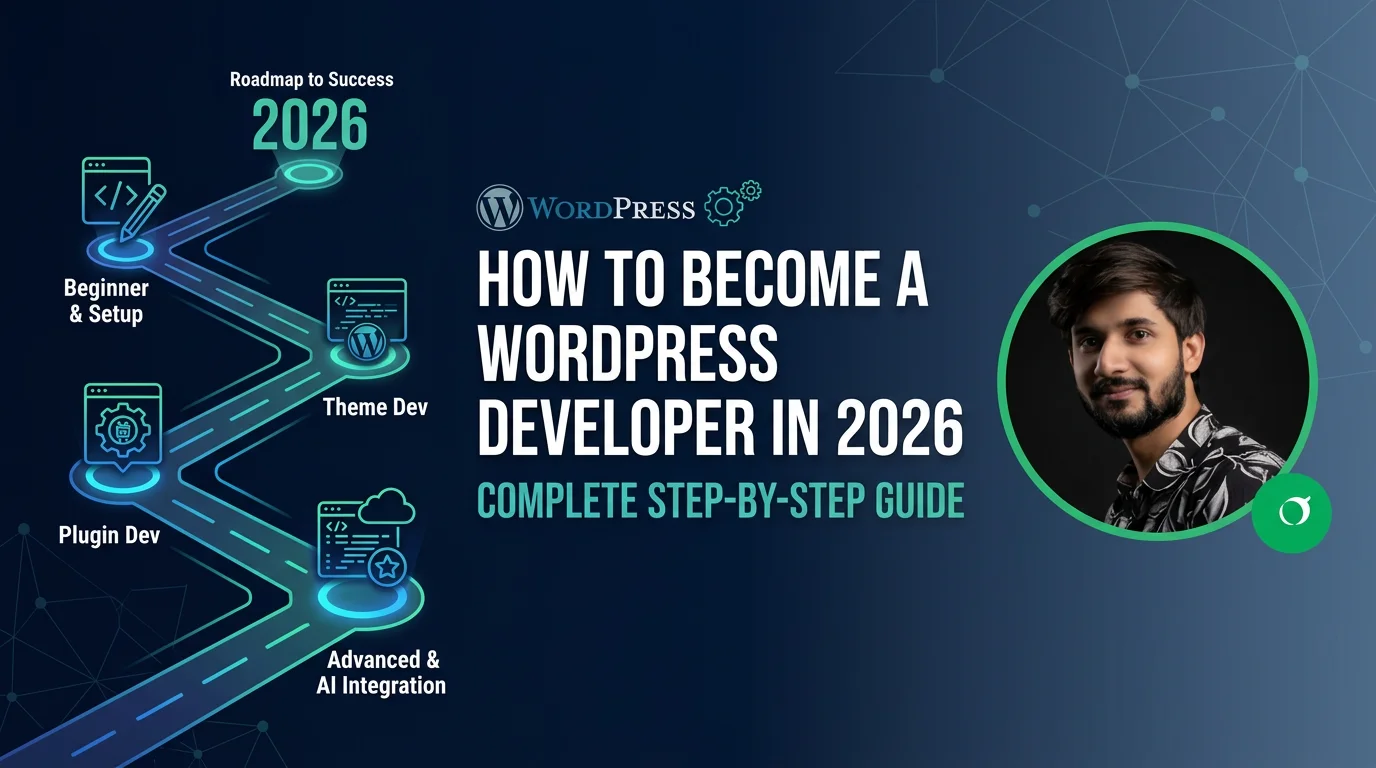
The Complete Step-By-Step Guide to Being a WordPress Developer in 2026
Step 1: Learn the Basics
Before diving deep into WordPress, it’s essential to grasp the fundamentals. Start with HTML and CSS, the backbone of web design. Understanding these two languages will help you create well-structured content.
Next up is JavaScript. This powerful scripting language adds interactivity to your websites. Familiarity with basic programming logic can also be beneficial as you progress.
Don't overlook PHP, which is crucial for WordPress development. It powers many features of WordPress itself and allows dynamic content generation.
Familiarize yourself with databases—particularly MySQL, used by WordPress for data storage. Knowing how databases work will give you insight into site performance and management.
With a solid foundation in these areas, you're setting the stage for deeper exploration of WordPress!
Step 2: Understand WordPress Core
Understanding the WordPress Core is essential for anyone aiming to become a proficient developer. The core is the backbone of any WordPress site, providing structure and functionality.
Start by diving into the foundational files and directories. Familiarize yourself with key components like "wp-config.php" and "functions php files". Each plays a significant role in how your website operates.
Explore the system's hooks—actions and filters that allow you to modify default behaviors without altering core files. This skill opens doors to customization while maintaining updates easily.
Learn about database interactions as well. Knowing how WordPress communicates with MySQL can help create dynamic content efficiently.
Don't overlook security practices either; understanding vulnerabilities within the core helps in building robust applications that resist attacks. Engaging with these elements will deepen your development skills significantly.
Step 3: Learn Theme Development
Theme development is a crucial aspect of becoming a proficient WordPress developer. It allows you to create unique designs that enhance user experience.
Start by familiarizing yourself with HTML, CSS, and JavaScript. These foundational languages are essential for crafting responsive themes. Use them to manipulate layouts and styles effectively.
Next, dive into the WordPress Template Hierarchy. Understanding how templates work will empower you to customize your theme according to various conditions like post types or categories.
Experiment with child themes as well. This approach helps preserve your customizations while allowing updates to the parent theme without losing your changes.
Explore popular frameworks such as Bootstrap or Underscores (_s). They can streamline your development process and give you a solid foundation from which to build innovative themes tailored to client needs.
Step 4: Master Plugin Development
Diving into plugin development opens a world of possibilities for any aspiring WordPress developer. Plugins enhance functionality and can elevate a basic site to something extraordinary.
Start by understanding the WordPress Plugin API. This knowledge is essential, as it allows you to interact seamlessly with core features. Familiarity with hooks—actions and filters—will enable you to modify existing functionalities without altering the core code.
Experimentation is key. Create simple plugins first, focusing on specific tasks or features. This hands-on experience will solidify your grasp of PHP, JavaScript, HTML, and CSS—all crucial languages in this field.
Don’t forget about security best practices when developing your plugins. Ensuring user data protection not only builds trust but also elevates the quality of your work.
Engagement with the WordPress community can provide feedback and support during your journey. Sharing your creations may lead to collaboration opportunities down the line.
Step 5: Build Your Portfolio
Building a robust portfolio is crucial for any aspiring WordPress developer. This is where you showcase your skills and creativity. Start by creating a few personal projects that demonstrate what you've learned.
Consider developing custom themes or plugins, even simple ones. Share these on platforms like GitHub to make them accessible to potential clients or employers. You can also contribute to existing open-source projects in the WordPress community, which not only enhances your coding skills but also helps you network with other developers.
Another effective way to strengthen your portfolio is through freelance work. Look for small gigs on platforms such as Upwork or Fiverr, and provide services like website customization or troubleshooting issues. Each completed project adds value to your experience.
Don’t forget about client testimonials. When working with others, ask for feedback after delivering successful outcomes; this builds credibility and showcases the impact of your work.
A comprehensive portfolio tells a story about who you are as a developer. It reflects both technical prowess and creative flair—qualities highly sought after in today's job market.
Now that you're equipped with the knowledge from each step outlined earlier, you're ready to embark on this exciting journey into becoming a skilled WordPress developer by 2026!
Conclusion
Becoming a WordPress developer is an achievable goal with dedication and consistent practice. The key is to start with the fundamentals, gradually build your skills, and never stop learning.